Dive Log
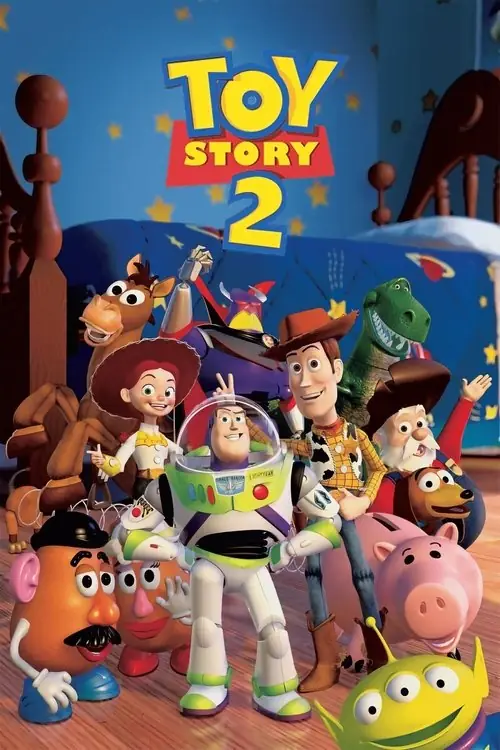
Deepening the philosophical undercurrents that distinguished its predecessor while expanding the emotional and spatial parameters of its animated world, this sequel transforms what could have been a commercially mandated reiteration into a meditation on attachment, obsolescence, and the anguished calculus of loyalty when belonging itself becomes a divided proposition. The narrative precipitant — the abduction of a beloved cowboy doll by a predatory collector of vintage playthings — initiates a dual-track investigation: one strand follows the kidnapped figure's reluctant introduction to a curated ensemble of pristine companions from his forgotten television past, each preserved in mint condition and awaiting the auction block that will deliver them to a museum's permanent collection; the other tracks the rescue expedition mounted by his domestic cohort across the perilous geography of a suburban commercial district. The genius of the construction lies in its refusal to simplify the moral landscape. The collector's storage space, far from functioning purely as a site of imprisonment, presents itself as an alternative model of permanence — a sanctuary where cherished objects escape the cycle of use, damage, and eventual discard that defines their existence within the nursery. The cowboy's crisis of allegiance thus acquires genuine philosophical weight: does fidelity to a child whose affection is inevitably temporary constitute the higher devotion, or does the prospect of eternal preservation in the gaze of admiring strangers offer a more dignified form of significance? The filmmakers stage this dilemma through character dynamics that locate genuine tragedy within the comic register — the other toys from the old television program carry the pathos of performers denied their audience, their pristine condition a gilded cage that substitutes stasis for love. Visual design renders the collector's emporium as a cathedral of acquisition, its fluorescent aisles and shrink-wrapped merchandise constructing a consumerist hellscape that the rescue party must navigate with ingenuity and coordinated daring. The action sequences achieve a precision of choreography and spatial coherence that rivals live-action filmmaking at its most kinetic, each set piece advancing both plot and character through escalating stakes that never sacrifice emotional logic for spectacle. The resolution affirms the primacy of impermanent connection over eternal display — a choice that resonates far beyond the playroom, speaking to anyone who has weighed the costs of loving what time will inevitably claim.
Deepening the philosophical undercurrents that distinguished its predecessor while expanding the emotional and spatial parameters of its animated world, this sequel transforms what could have been a commercially mandated reiteration into a meditation on attachment, obsolescence, and the anguished calculus of loyalty when belonging itself becomes a divided proposition. The narrative precipitant — the abduction of a beloved cowboy doll by a predatory collector of vintage playthings — initiates a dual-track investigation: one strand follows the kidnapped figure's reluctant introduction to a curated ensemble of pristine companions from his forgotten television past, each preserved in mint condition and awaiting the auction block that will deliver them to a museum's permanent collection; the other tracks the rescue expedition mounted by his domestic cohort across the perilous geography of a suburban commercial district. The genius of the construction lies in its refusal to simplify the moral landscape. The collector's storage space, far from functioning purely as a site of imprisonment, presents itself as an alternative model of permanence — a sanctuary where cherished objects escape the cycle of use, damage, and eventual discard that defines their existence within the nursery. The cowboy's crisis of allegiance thus acquires genuine philosophical weight: does fidelity to a child whose affection is inevitably temporary constitute the higher devotion, or does the prospect of eternal preservation in the gaze of admiring strangers offer a more dignified form of significance? The filmmakers stage this dilemma through character dynamics that locate genuine tragedy within the comic register — the other toys from the old television program carry the pathos of performers denied their audience, their pristine condition a gilded cage that substitutes stasis for love. Visual design renders the collector's emporium as a cathedral of acquisition, its fluorescent aisles and shrink-wrapped merchandise constructing a consumerist hellscape that the rescue party must navigate with ingenuity and coordinated daring. The action sequences achieve a precision of choreography and spatial coherence that rivals live-action filmmaking at its most kinetic, each set piece advancing both plot and character through escalating stakes that never sacrifice emotional logic for spectacle. The resolution affirms the primacy of impermanent connection over eternal display — a choice that resonates far beyond the playroom, speaking to anyone who has weighed the costs of loving what time will inevitably claim.
— Diver's log, recovered 1940, pressure index 56