Dive Log
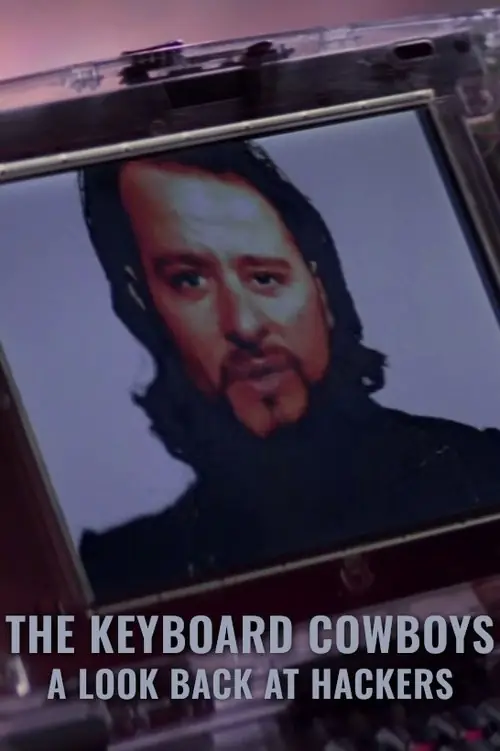
Revisiting the techno-thriller that captured the anxieties and exhilarations of the mid-nineties digital frontier with an earnestness that subsequent generations of internet cinema would either mock or attempt to replicate, this retrospective documentary assembles the principal architects of a film that dared to render hacker culture with visual flamboyance and adolescent sincerity. Through freshly conducted conversations with the director whose vision transposed the invisible architecture of cyberspace into a physical landscape of neon-drenched virtual corridors and hallucinatory data visualizations, the feature reconstructs the creative decisions that produced a work whose aesthetic influence far outstripped its critical reception. Cast members reflect on the particular challenges of performing technological fluency in an era when the vocabulary of computing remained alien to most audiences, their characterizations requiring a species of conviction that could translate arcane command-line syntax into dramatic action. The contributions of the costume designer receive particular attention — and deservedly so, for the film's sartorial vision constituted perhaps its most enduring cultural export, its fusion of cyberpunk utility-wear, club-kid exuberance, and countercultural signifiers generating a visual lexicon that continues to circulate through fashion editorials and music videos decades after the film's release. The visual effects supervisor discusses the logistical complexities of rendering digital environments at a historical moment when the tools for depicting cyberspace were themselves still embryonic, the production forced to invent techniques that subsequent films would take for granted. The documentary also contextualizes the film within the broader cultural moment of its creation — a brief window when the internet's transformative potential felt genuinely revolutionary rather than banally corporate, when the figure of the hacker retained subversive glamour rather than signifying criminal nuisance. The assembled testimony constructs a portrait of a production operating in productive tension between commercial imperatives and countercultural authenticity, its eventual legacy secured not by critical validation but by the fierce affection of viewers who recognized in its excesses a genuine attempt to honor the anarchic spirit of a technology that was, in that fleeting historical interval, still unclaimed by the apparatus of surveillance capitalism that would subsequently dominate it.
Revisiting the techno-thriller that captured the anxieties and exhilarations of the mid-nineties digital frontier with an earnestness that subsequent generations of internet cinema would either mock or attempt to replicate, this retrospective documentary assembles the principal architects of a film that dared to render hacker culture with visual flamboyance and adolescent sincerity. Through freshly conducted conversations with the director whose vision transposed the invisible architecture of cyberspace into a physical landscape of neon-drenched virtual corridors and hallucinatory data visualizations, the feature reconstructs the creative decisions that produced a work whose aesthetic influence far outstripped its critical reception. Cast members reflect on the particular challenges of performing technological fluency in an era when the vocabulary of computing remained alien to most audiences, their characterizations requiring a species of conviction that could translate arcane command-line syntax into dramatic action. The contributions of the costume designer receive particular attention — and deservedly so, for the film's sartorial vision constituted perhaps its most enduring cultural export, its fusion of cyberpunk utility-wear, club-kid exuberance, and countercultural signifiers generating a visual lexicon that continues to circulate through fashion editorials and music videos decades after the film's release. The visual effects supervisor discusses the logistical complexities of rendering digital environments at a historical moment when the tools for depicting cyberspace were themselves still embryonic, the production forced to invent techniques that subsequent films would take for granted. The documentary also contextualizes the film within the broader cultural moment of its creation — a brief window when the internet's transformative potential felt genuinely revolutionary rather than banally corporate, when the figure of the hacker retained subversive glamour rather than signifying criminal nuisance. The assembled testimony constructs a portrait of a production operating in productive tension between commercial imperatives and countercultural authenticity, its eventual legacy secured not by critical validation but by the fierce affection of viewers who recognized in its excesses a genuine attempt to honor the anarchic spirit of a technology that was, in that fleeting historical interval, still unclaimed by the apparatus of surveillance capitalism that would subsequently dominate it.
— Diver's log, recovered 1933, pressure index 82