Dive Log
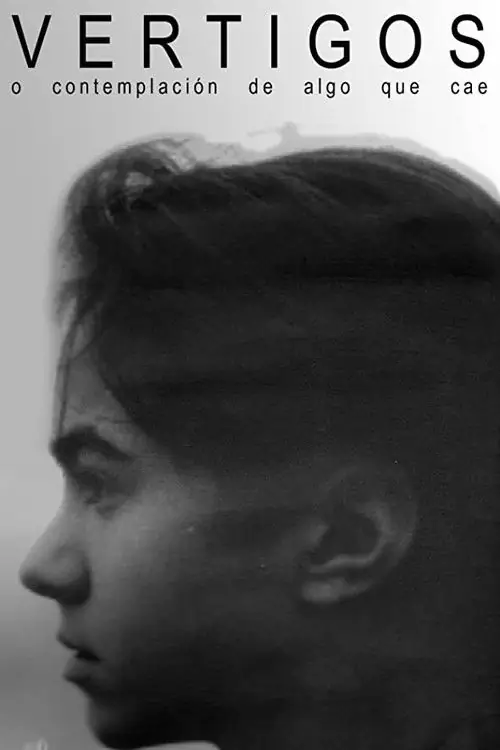
This biographical essay film constructs its portrait of a major Argentine poet through the accumulation of testimonies supplied by those whose lives intersected with hers, the filmmaker's approach refusing the singular authority of conventional biography in favor of a polyphonic architecture whose multiple voices collectively approximate the texture of a life lived. The source material—the poet's verse—supplies not merely the title but the conceptual framework through which the biographical material receives organization, the vertiginous sensation of observing something in descent functioning as both formal principle and thematic preoccupation. The filmmaker approaches the poet's biography with an attentiveness to the specific relationship between literary production and lived experience that distinguished the Argentine literary tradition to which she belonged. The directorial approach favors a fragmentary construction whose structural principles mirror the poetic practice under examination, the juxtaposition of testimonies from family members, friends, and admirers generating a composite portrait whose gaps and contradictions constitute features rather than deficiencies. The cinematography favors interiors whose bookshelves, writing surfaces, and domestic objects supply material corollary to the literary vocation under examination, the visual register encoding the relationship between physical environment and creative practice that the testimonies anatomize. The framing of the interview subjects alternates between direct address and more contemplative configurations, the camera's attention registering the particular quality of recollection—the pauses, the deflections, the moments of unexpected emotion that characterize the act of remembering. The sound design integrates readings of the poet's work with the testimonies, the verse functioning as both context and counterpoint to the biographical material. The voice performing the readings receives careful modulation, the aural register encoding the particular tension between control and dissolution that characterizes the work itself. What the film ultimately anatomizes is the relationship between literary genius and the conditions of its production—the recognition that the verse whose compression and precision command admiration emerged from a life whose texture included the ordinary complexities of family relation, friendship, and the particular forms of difficulty that attend the vocation of writing. The testimonies supply not explanation but texture, the accumulated detail composing a portrait whose richness resides in its resistance to the reductive satisfactions of conventional biographical narrative, honoring the complexity of a life whose literary achievement remains inseparable from the conditions of its difficulty.
This biographical essay film constructs its portrait of a major Argentine poet through the accumulation of testimonies supplied by those whose lives intersected with hers, the filmmaker's approach refusing the singular authority of conventional biography in favor of a polyphonic architecture whose multiple voices collectively approximate the texture of a life lived. The source material—the poet's verse—supplies not merely the title but the conceptual framework through which the biographical material receives organization, the vertiginous sensation of observing something in descent functioning as both formal principle and thematic preoccupation. The filmmaker approaches the poet's biography with an attentiveness to the specific relationship between literary production and lived experience that distinguished the Argentine literary tradition to which she belonged. The directorial approach favors a fragmentary construction whose structural principles mirror the poetic practice under examination, the juxtaposition of testimonies from family members, friends, and admirers generating a composite portrait whose gaps and contradictions constitute features rather than deficiencies. The cinematography favors interiors whose bookshelves, writing surfaces, and domestic objects supply material corollary to the literary vocation under examination, the visual register encoding the relationship between physical environment and creative practice that the testimonies anatomize. The framing of the interview subjects alternates between direct address and more contemplative configurations, the camera's attention registering the particular quality of recollection—the pauses, the deflections, the moments of unexpected emotion that characterize the act of remembering. The sound design integrates readings of the poet's work with the testimonies, the verse functioning as both context and counterpoint to the biographical material. The voice performing the readings receives careful modulation, the aural register encoding the particular tension between control and dissolution that characterizes the work itself. What the film ultimately anatomizes is the relationship between literary genius and the conditions of its production—the recognition that the verse whose compression and precision command admiration emerged from a life whose texture included the ordinary complexities of family relation, friendship, and the particular forms of difficulty that attend the vocation of writing. The testimonies supply not explanation but texture, the accumulated detail composing a portrait whose richness resides in its resistance to the reductive satisfactions of conventional biographical narrative, honoring the complexity of a life whose literary achievement remains inseparable from the conditions of its difficulty.
— Diver's log, recovered 1982, pressure index 69